Why Modular Construction Is the Future of Data Center Development
As artificial intelligence, cloud computing, and digital services continue to drive unprecedented growth in data demand, organizations face increasing pressure to deploy data center infrastructure faster than ever before. Traditional construction methods often struggle to keep pace with aggressive project schedules, evolving technology requirements, and the need for scalable growth.
Modular construction is changing that equation.
By combining speed, flexibility, and quality, modular building solutions are helping data center developers, operators, and contractors accelerate deployment while maintaining the performance and reliability mission-critical environments require.
The Growing Demand for Faster Data Center Expansion
The rise of AI workloads, cloud-based applications, edge computing, and digital transformation initiatives has created a surge in demand for data center capacity nationwide. Organizations are investing heavily in new facilities, campus expansions, and supporting infrastructure to keep up with rapidly increasing computing needs.
For many developers, the challenge is no longer determining whether additional capacity is needed. The challenge is how quickly that capacity can be delivered.
Every month saved on construction schedules can translate into earlier operational readiness, faster revenue generation, and a stronger competitive advantage.
That reality is driving increased interest in modular construction solutions for data center projects.
How Modular Construction Accelerates Data Center Deployment
Unlike traditional construction, modular buildings are manufactured in a controlled facility while site preparation and foundation work take place simultaneously.
This parallel construction process helps reduce project timelines and improves schedule predictability by minimizing weather delays and jobsite disruptions.
For data center projects, the benefits can be significant:
- Faster building deployment
- Improved schedule certainty
- Reduced site disruption
- Streamlined project coordination
- Greater scalability for future expansion
By shortening the path from planning to occupancy, modular construction helps organizations bring critical infrastructure online sooner and respond more effectively to changing business needs.
Beyond Temporary Buildings: Permanent Modular Construction
One of the biggest misconceptions about modular construction is that it is only intended for temporary facilities.
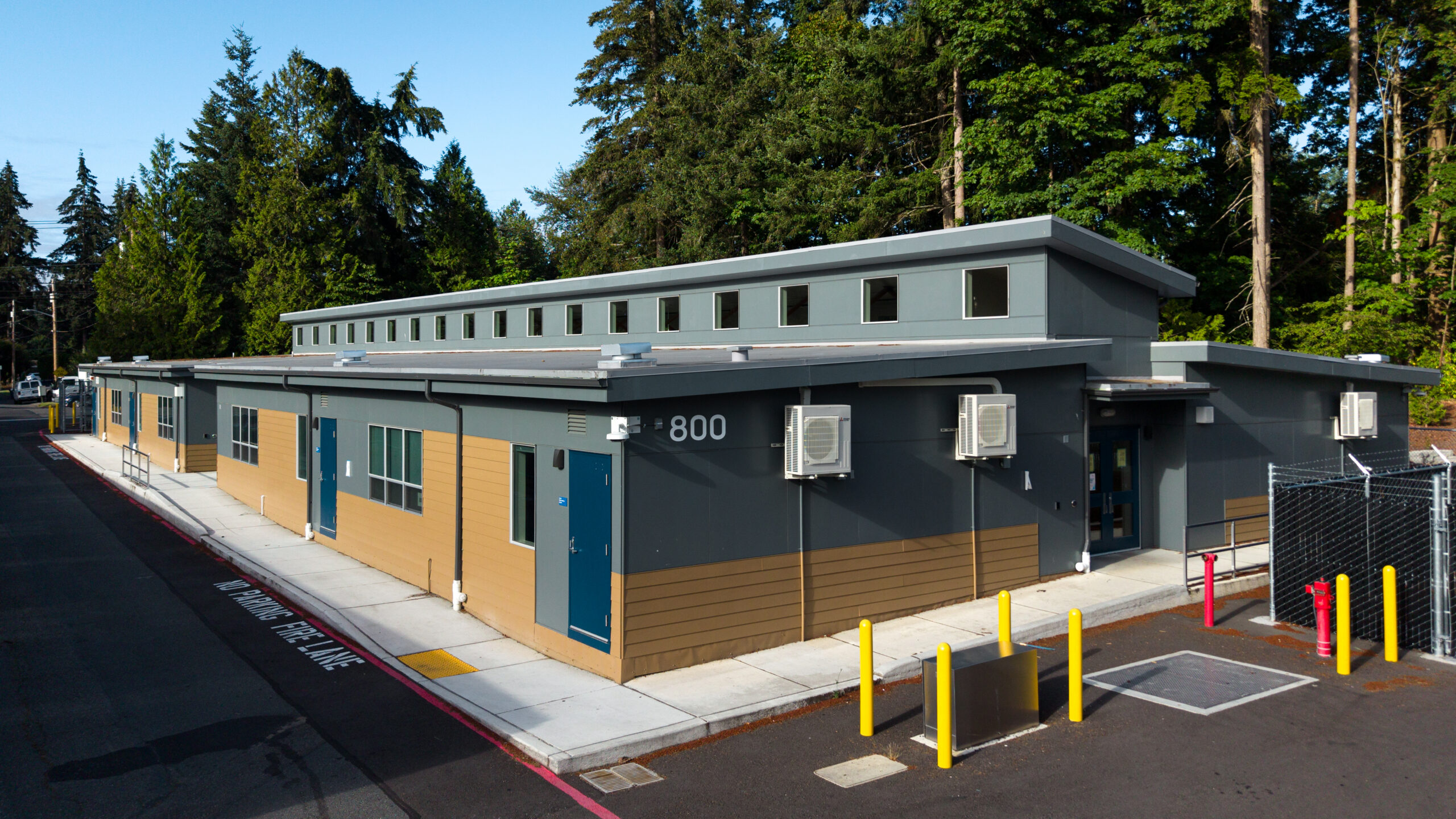
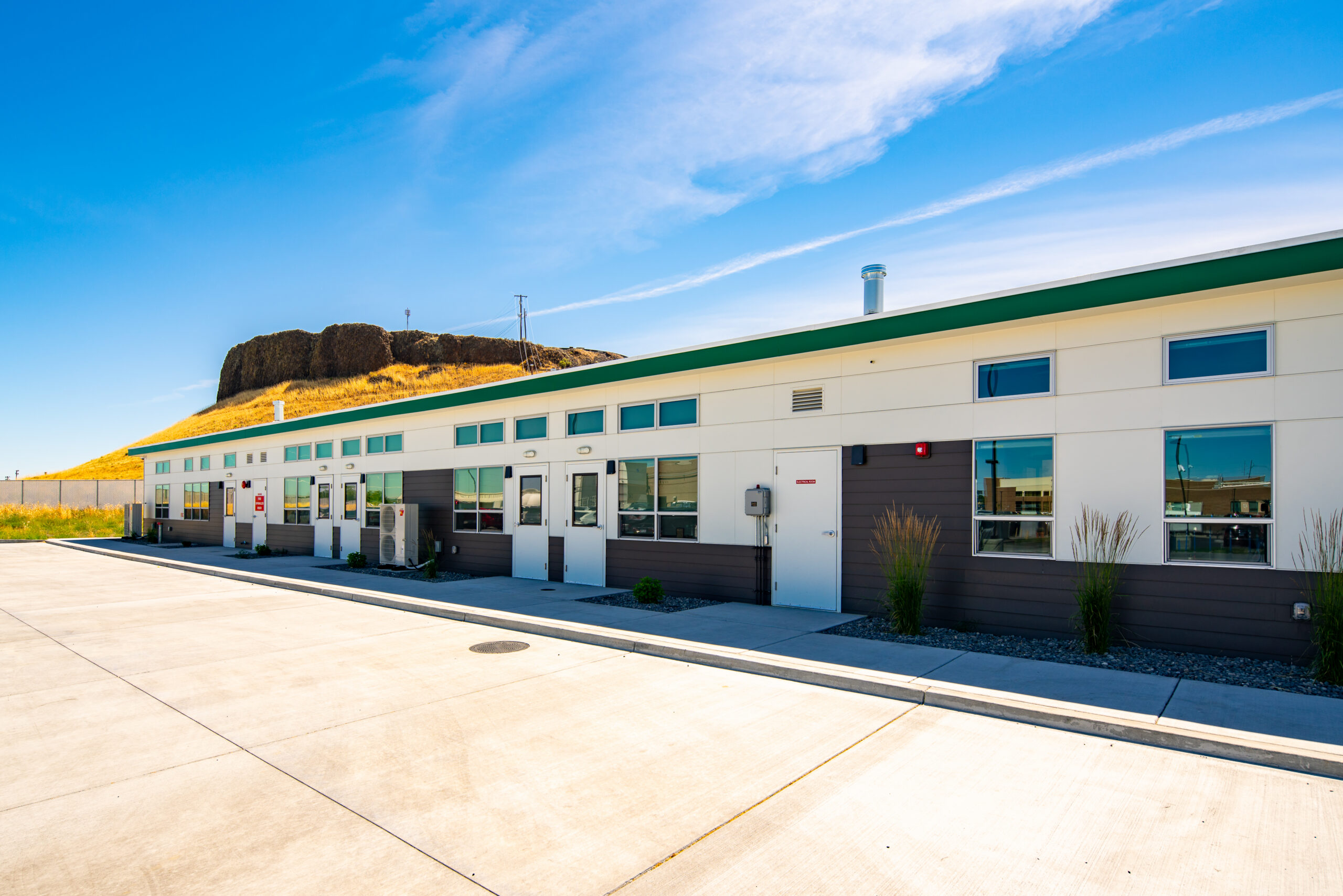
Today’s permanent modular buildings are designed for long-term performance, durability, and functionality while meeting the same codes and standards as traditional site-built structures.
For data center environments, permanent modular construction can support a wide range of operational needs, including:
- Operations centers
- Administrative offices
- Security facilities
- Maintenance buildings
- Workforce support spaces
- Training and collaboration environments
- Technical support offices
- Campus expansion facilities
Permanent modular solutions provide the speed advantages of off-site construction while delivering the long-term value organizations expect from their infrastructure investments.
Meeting the Unique Requirements of Data Center Operations
Data centers require more than just additional space. They require facilities built around security, reliability, and operational efficiency.
Modular buildings can be customized to support the specific requirements of modern data center campuses, including:
Enhanced Security
Controlled access points, secure entry systems, and customized floorplans help support restricted-access environments and operational security protocols.
Flexible Design
Every data center campus has unique requirements. Modular facilities can be designed and configured to support specific workflows, staffing needs, and operational objectives.
Scalability
As demand grows, modular facilities can often be expanded more efficiently than traditional construction projects, helping organizations scale alongside evolving infrastructure requirements.
Infrastructure Integration
Buildings can be designed to accommodate project-specific power, communications, cooling, and operational needs, supporting the broader functionality of the campus.
Supporting Every Stage of the Data Center Lifecycle
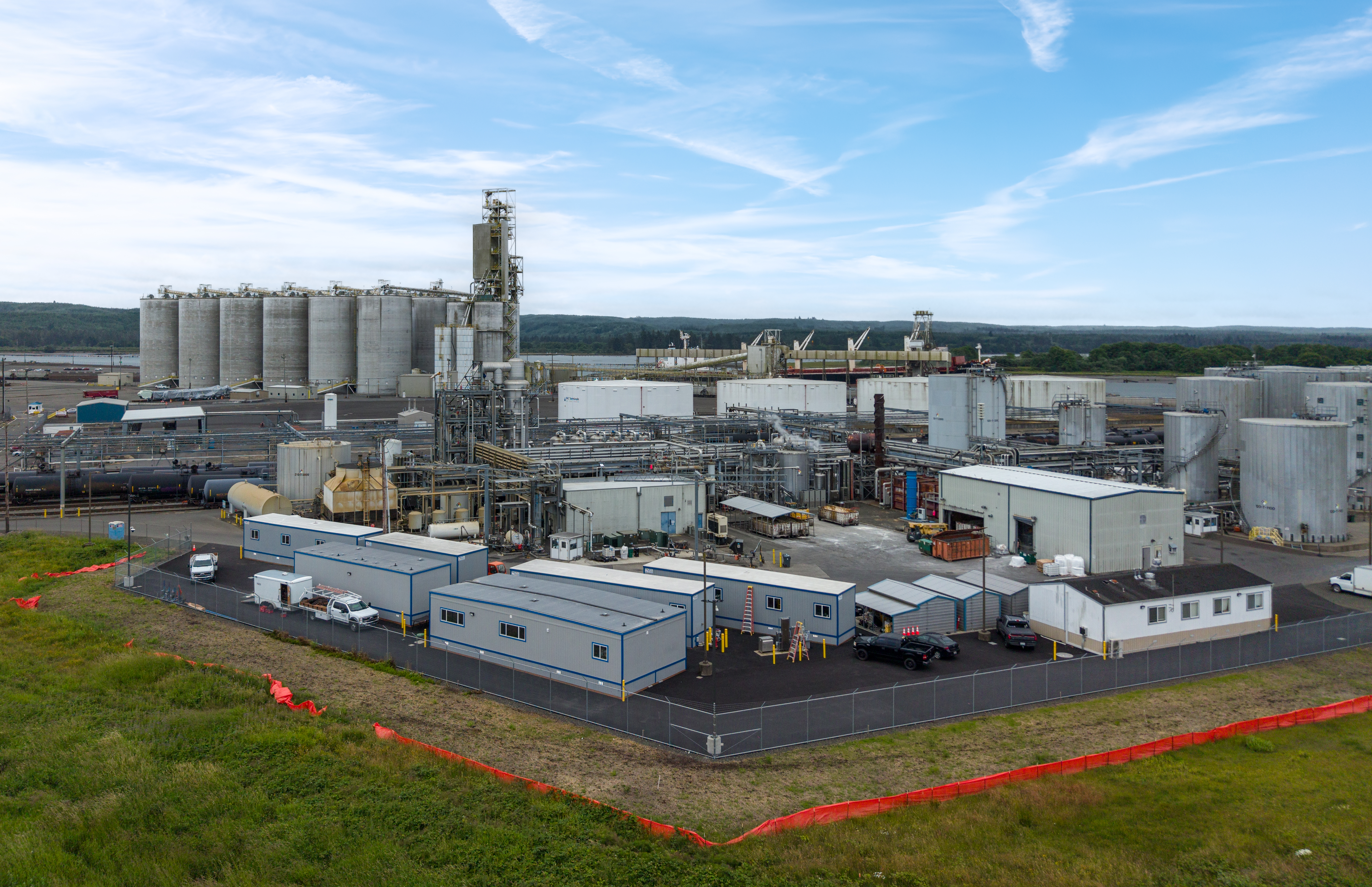
Successful data center development requires more than the primary facility alone. Supporting infrastructure plays a critical role throughout construction, commissioning, and ongoing operations.
From project startup through long-term operation, organizations often require:
- Project offices
- Mobile offices
- Ground-level office space
- Administrative facilities
- Workforce support buildings
- Security checkpoints
- Training centers
- Equipment staging areas
- Secure storage containers
- Custom modular structures
Having a single partner capable of providing these solutions can simplify logistics, improve coordination, and reduce project complexity.
The Value of Turnkey Project Delivery
Data center projects involve numerous stakeholders, tight schedules, and complex operational requirements.
Managing multiple vendors across design, permitting, manufacturing, transportation, installation, and project closeout can create significant challenges.
A turnkey approach helps streamline the process by providing a single point of accountability throughout the project lifecycle.
With turnkey modular delivery, organizations can benefit from:
- Simplified project management
- Improved communication
- Reduced coordination burdens
- Faster deployment timelines
- Greater schedule confidence
For time-sensitive data center developments, this approach can help maintain project momentum while reducing administrative overhead.
Why Data Center Developers Are Turning to Modular Solutions
The pressure to deploy infrastructure quickly is not slowing down. As AI adoption grows, cloud platforms expand, and digital transformation initiatives continue across industries, organizations need construction methods capable of supporting accelerated growth.
Modular construction offers a practical solution by helping teams:
- Reduce construction timelines
- Maintain quality and consistency
- Support future expansion
- Improve project flexibility
- Accelerate speed-to-market
These advantages are making modular construction an increasingly important part of modern data center development strategies.
Nationwide Modular Building Solutions for Data Centers
Pacific Mobile Structures supports data center projects across the United States through turnkey modular construction, permanent modular facilities, operational support buildings, mobile offices, workforce accommodations, security facilities, and secure storage container solutions.
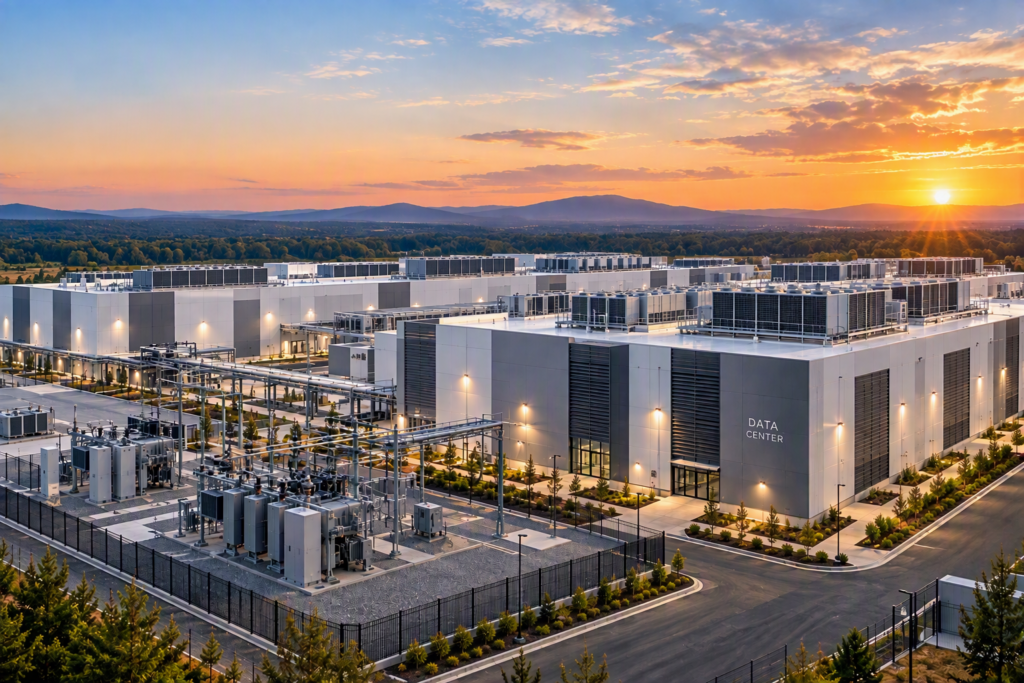
Whether supporting a new hyperscale campus, an edge computing deployment, or an expansion of existing infrastructure, our team helps organizations deploy scalable environments faster and more efficiently.
As demand for digital infrastructure continues to grow, modular construction is helping shape the future of data center development, delivering the speed, flexibility, and scalability today’s projects require.
Ready to Support Your Next Data Center Project?
Learn how Pacific Mobile Structures can help accelerate deployment with turnkey modular building solutions, operational support facilities, and scalable infrastructure designed for the unique demands of modern data centers.