The Future of Cloud and Edge Computing: Modular Data Centers Explained
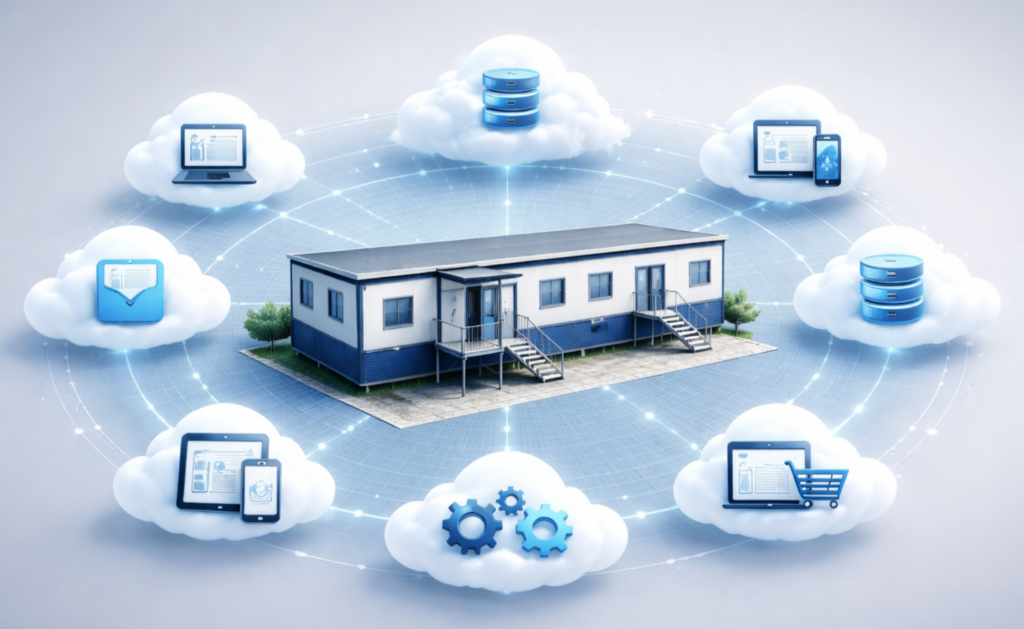
As cloud workloads grow and real‑time applications multiply, the traditional, monolithic data center is giving way to a more flexible model: modular data centers (MDCs). Built as pre‑engineered, factory‑integrated units, they are able to combine IT, power, cooling, and management into compact blocks. MDCs let organizations deploy capacity where and when it’s needed without multi‑year construction cycles. The result is a faster, more scalable foundation for modern digital services, from AI inference at the edge to burst capacity for cloud‑native apps.
Why Modular Now?
Two big forces are reshaping infrastructure: the latency demands of edge computing and the scale and variability of cloud. AI, computer vision, IoT telemetry, AR/VR, and autonomous systems can’t always wait for round‑trips to centralized clouds. MDCs place compute and storage near data sources – on campuses, factory floors, cell‑tower aggregation sites, or regional hubs – delivering sub‑millisecond responsiveness while reducing backhaul costs. At the same time, cloud teams need elastic, standardized capacity that can be stood up in weeks, not months. Modular designs, with repeatable building blocks and integrated DCIM (data center infrastructure management), meet both needs.
What Makes a Data Center “Modular”?
Modular data centers are assembled from prefabricated modules – typically ISO‑container or skid‑based enclosures, that include:
- IT module(s): racks, cabling, containment, and security.
- Power module(s): UPS, switchgear, batteries (increasingly lithium‑ion), and optional generators.
- Cooling module(s): DX, chilled water, or direct‑to‑chip liquid cooling for high‑density AI/GPU loads.
- Controls & DCIM: sensors, environmental monitoring, remote management, and automation.
These modules interlock like Lego bricks: start with a few racks, then scale horizontally (more modules) or vertically (higher density per rack) as demand grows. Because they’re built and tested in the factory, on‑site work is minimized to foundations, utility tie‑ins, and final integration, dramatically shortening time‑to‑compute.
Cloud + Edge: A Hybrid Blueprint
MDCs enable a tiered architecture:
- Core cloud campuses use large clusters of modules to add capacity quickly, standardize builds across regions, and accelerate AI training and cloud‑native services.
- Regional edge sites host latency‑sensitive workloads (e.g., real‑time analytics, CDN caches, retail and healthcare apps) with consistent designs and management.
- Far‑edge micro sites at a warehouse, mine, port, or stadium run inference, video processing, or OT/IT convergence with ruggedized, tamper‑resistant modules.
Because the physical building blocks are standardized, teams can orchestrate both compute and facilities with the same DevOps mindset: versioned designs, repeatable deployments, and telemetry‑driven operations.
Benefits That Move the Needle
- Speed to value: Factory integration and parallel site prep compress deployment from months to weeks.
- Scalability & flexibility: Add capacity in small increments; relocate or repurpose modules as needs change.
- Resilience: Consistent builds reduce variance; integrated monitoring, segmented power/cooling, and micro‑grid readiness (solar, battery, generators) enhance uptime.
- Cost control: Predictable BOMs, reduced construction risk, and deferred capex through staged rollouts align spend with demand.
Sustainability and the Road Ahead
Modular construction supports sustainability goals by reducing material waste, right‑sizing capacity, and enabling circular upgrades (swap a cooling or battery module without rebuilding an entire plant). As power densities rise and AI proliferates, expect more hybrid liquid cooling, grid‑interactive operations, and software‑defined facilities that treat the data center itself as code: deployed, monitored, and optimized like any other platform.