Reimagining Construction in Maryland: Modular Solutions That Deliver
Maryland is experiencing rapid commercial and institutional growth. Expanding K–12 school districts, rising healthcare needs, government facility upgrades, and ongoing commercial development all contribute to this trend. As timelines tighten and budgets face increasing pressure, modular construction has emerged as a highly effective solution for delivering high‑quality buildings faster, more efficiently, and with less disruption than traditional construction. Today, modular construction is being deployed across Maryland in education, government, construction support, healthcare, and commercial sectors – reshaping the state’s construction landscape.
A Statewide Framework Supporting Modular Construction
Maryland has embraced modular construction at the regulatory level. The Maryland Department of Labor enforces statewide standards for industrialized and modular buildings under its Building Codes Administration, noting that modular buildings are frequently used for schools, offices, convenience stores, hospitals, motels, and other commercial buildings. The state treats modular construction as a key contributor to meeting commercial building needs, promoting consistency in quality and performance. This regulatory clarity has given developers, agencies, and educational institutions the confidence to invest in modular solutions that can be deployed more quickly than traditional builds.
Modular Solutions Transforming Maryland’s Schools
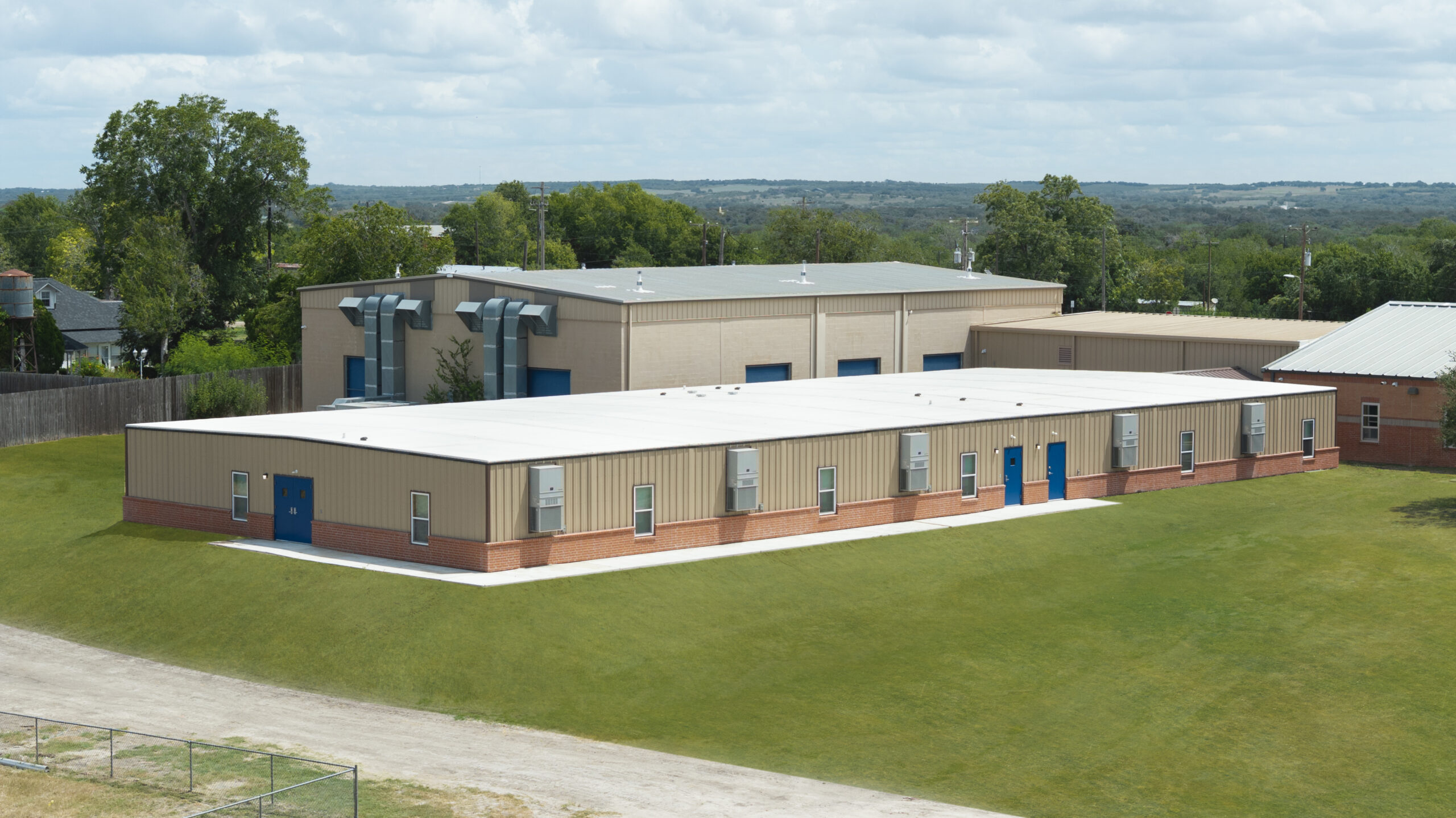
One of the strongest areas of modular adoption is K–12 education. The State of Maryland formally recognizes modular construction as an approved public school construction cost, requiring the Interagency Commission on School Construction (IAC) to establish regulations and minimum specifications for modular classrooms and other modular school facilities. This inclusion has paved the way for districts to adopt modular buildings for classrooms, STEM labs, administrative offices, and temporary swing spaces during campus renovations.
In practice, modular is already playing a major role. For example, Prince George’s County Public Schools recently expanded classroom capacity by relocating and reinstalling existing modular units. This was a cost‑effective and minimally disruptive solution that allowed the district to quickly respond to shifting student populations.
Government Agencies Turning to Modular for Speed and Flexibility
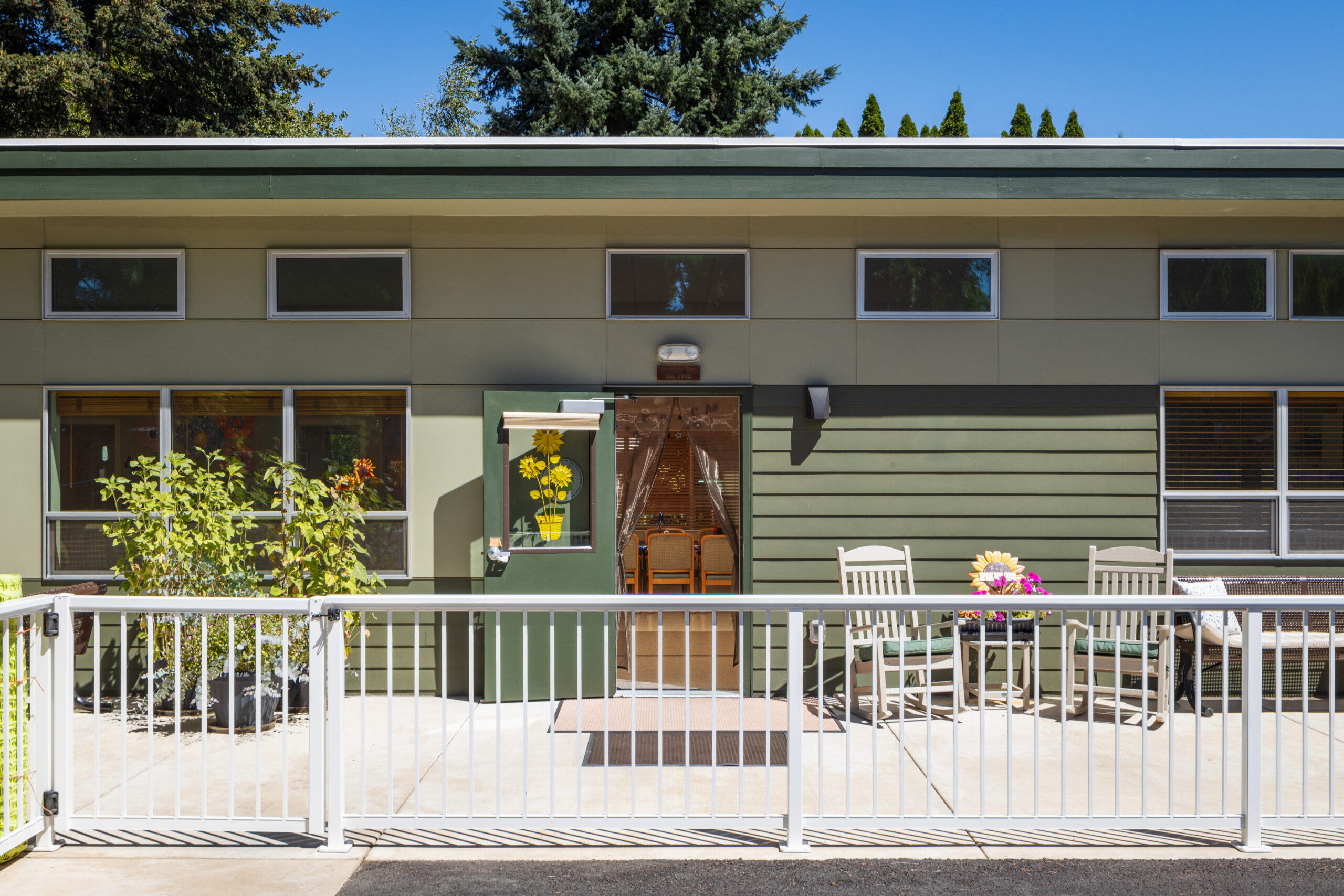
State and local agencies across Maryland rely on modular construction to meet urgent and evolving facility needs. The Maryland Department of Labor highlights widespread government and office‑related use cases, including administrative offices and service centers that benefit from modular’s speed, controlled manufacturing, and assured compliance with statewide standards. Because these buildings can be installed quickly and often relocated or expanded, they allow agencies to adjust as staffing levels, program priorities, or community demands change.
Additionally, Maryland’s broader interest in industrialized offsite construction is demonstrated through initiatives such as the Baltimore Modular Initiative, which is accelerating offsite construction practices across the state. This initiative brings together architects, contractors, universities, and state representatives to advance industrialized construction techniques and support commercial, governmental, and community development needs statewide.
Commercial and Construction Industry Adoption Continues to Rise
Maryland’s commercial sector is also embracing modular construction at scale. The Modular Building Institute reports growing demand for modular solutions across the state, with modular buildings increasingly used for classrooms, hospitals, offices, multifamily residences, and commercial buildings. Developers and contractors are turning to modular for office expansions, workforce housing, temporary construction offices, retail buildings, and support facilities for major construction projects.
Because much of the building process takes place off‑site, modular offers particular value to the construction industry itself. Contractors use modular buildings as onsite headquarters, safety offices, or crew support spaces—structures that can be delivered rapidly and withstand heavy daily usage. Many commercial tenants also appreciate the reduced site disruption and accelerated occupancy timelines compared to traditional builds.
A Smarter, Faster Future for Maryland’s Built Environment
From classrooms and government offices to hospitals, construction facilities, and commercial developments, modular construction is redefining how Maryland builds for the future. With statewide regulatory support, increasing adoption across public and private sectors, and a growing ecosystem committed to offsite construction innovation, modular solutions continue to deliver speed, value, and reliability across Maryland’s diverse built environment.