Why Modular Construction Is Transforming Modern Data Center Development
Data center construction is evolving faster than ever, driven by AI adoption, cloud growth, and increased demand for hyperscale capacity. To keep pace, more developers are turning to modular construction, a building method that shortens schedules, improves quality, and reduces risk.
Speed is the most critical advantage. Traditional construction timelines often stretch 18–36 months. Modular buildings—fabricated off-site while site work occurs—can reduce that schedule by 30–50%. This gives data center operators a competitive edge by bringing new compute capacity online faster.
Modular structures also offer predictable cost control, a major benefit for multi-phase or hyperscale builds. With inflation and labor shortages impacting traditional construction, factory-controlled environments reduce variability and material waste.
The scalability factor is especially valuable for hyperscale campuses. Operators can deploy modular office buildings, security checkpoints, breakrooms, and training centers that match each phase of build-out.
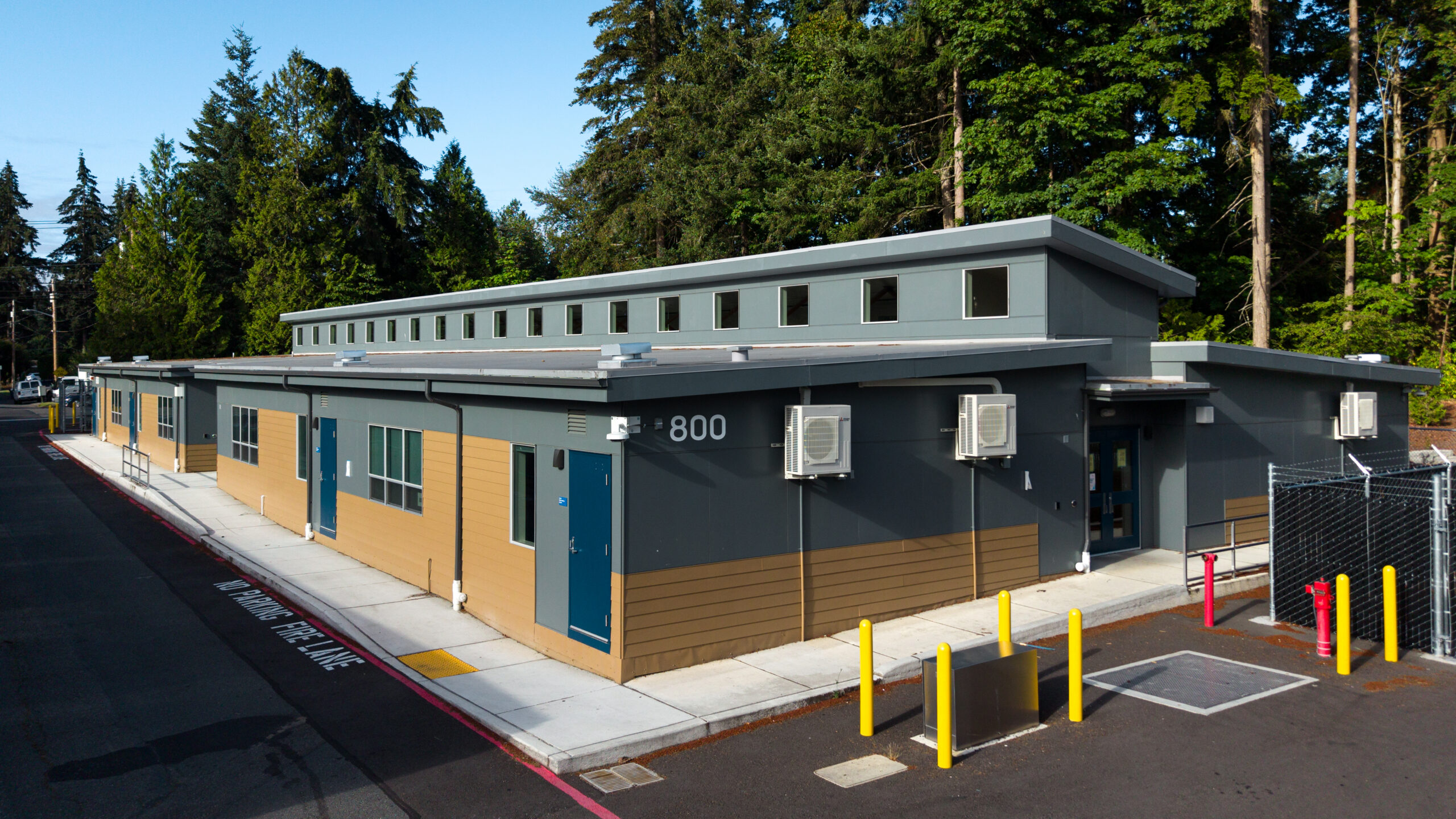
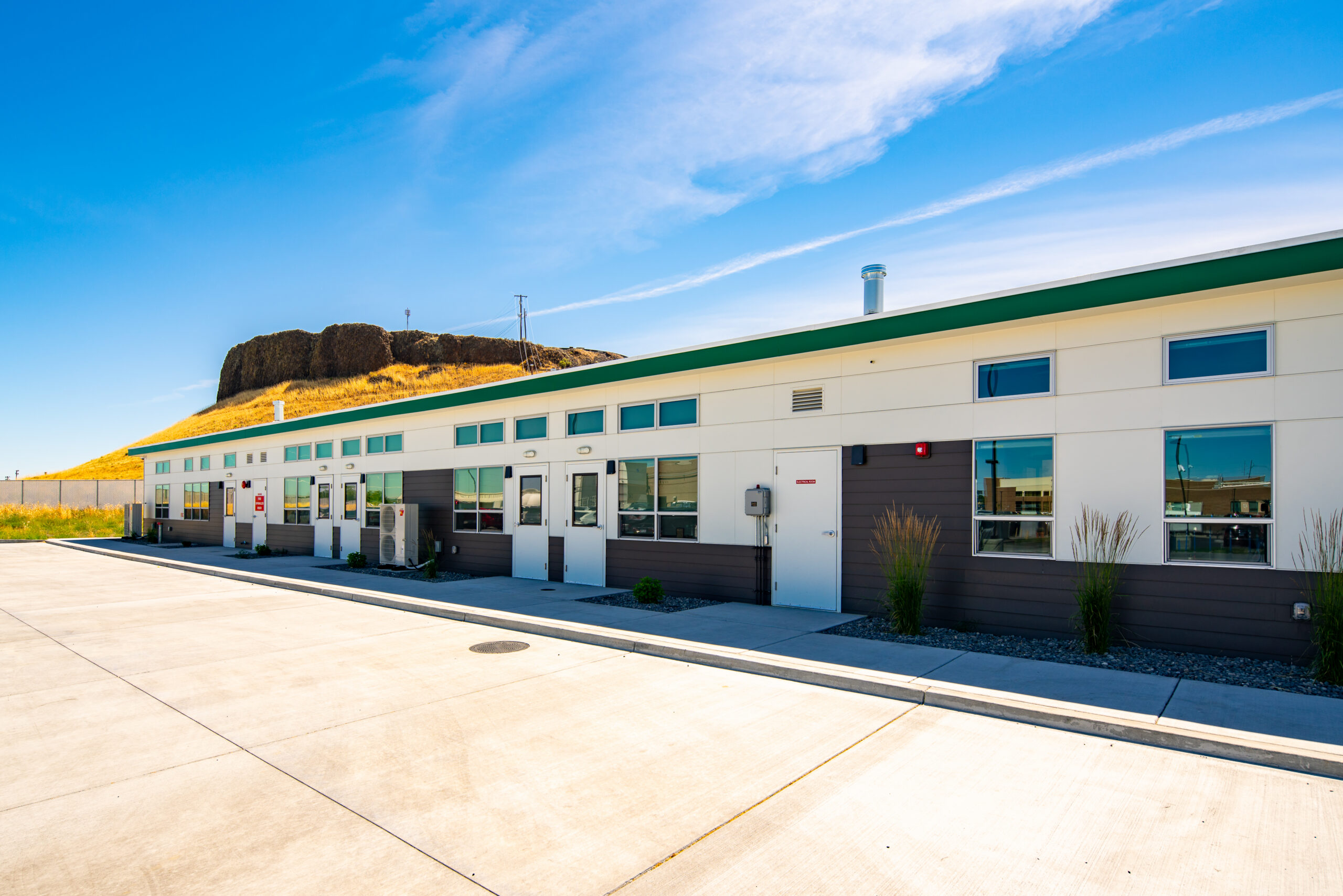
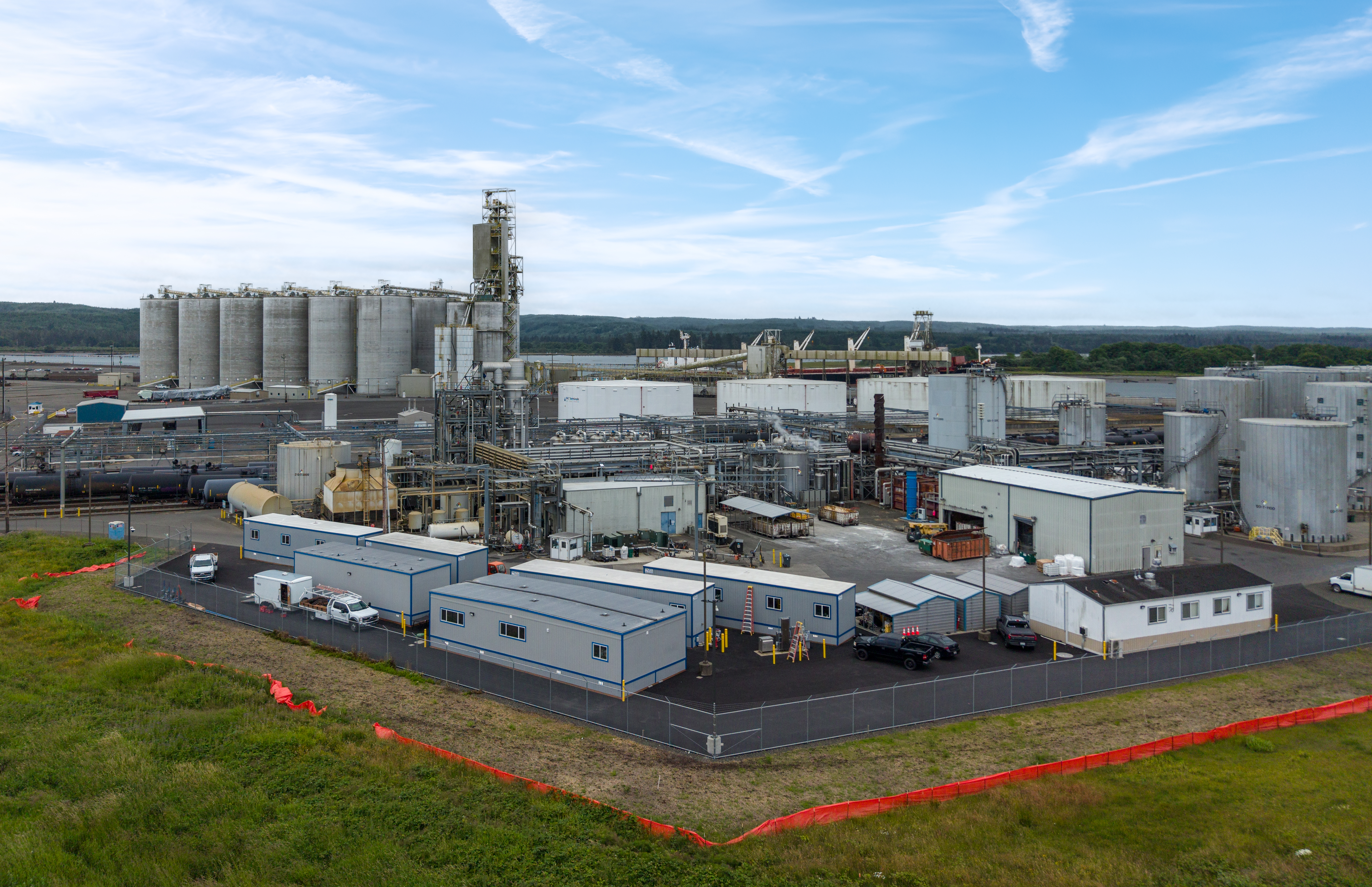
Pacific Mobile Structures provides custom modular buildings designed for data center environments, including admin offices, QC labs, safety offices, and contractor spaces. These buildings are engineered for durability, rapid deployment, and long-term performance.
Modular construction is no longer an alternative—it’s an essential tool in modern data center development.