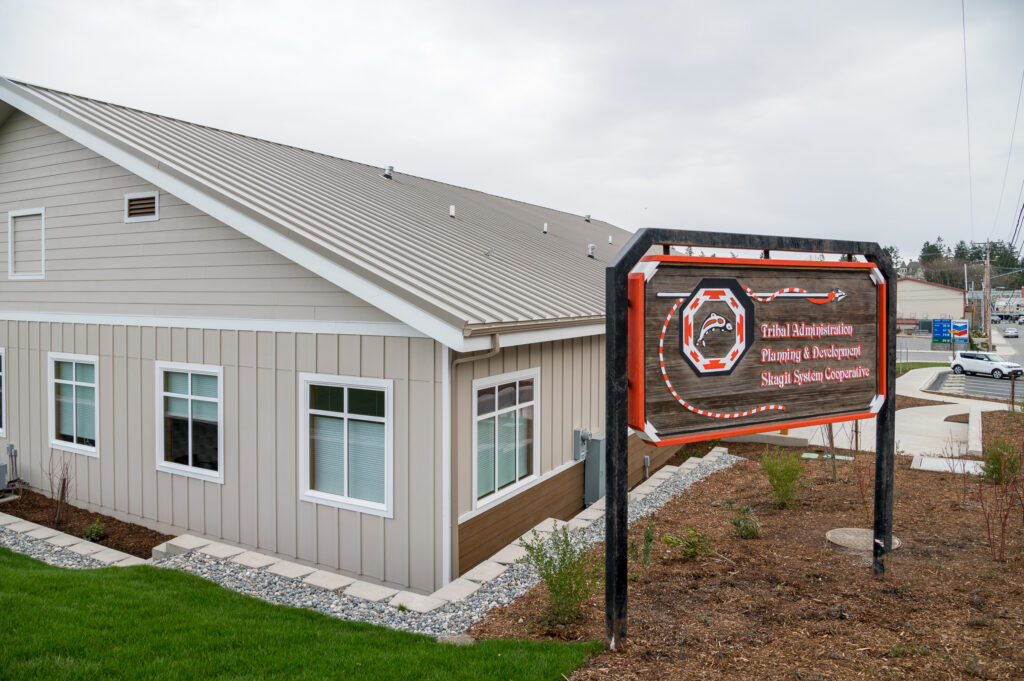
How Modular Construction Simplifies Tribal Infrastructure Projects
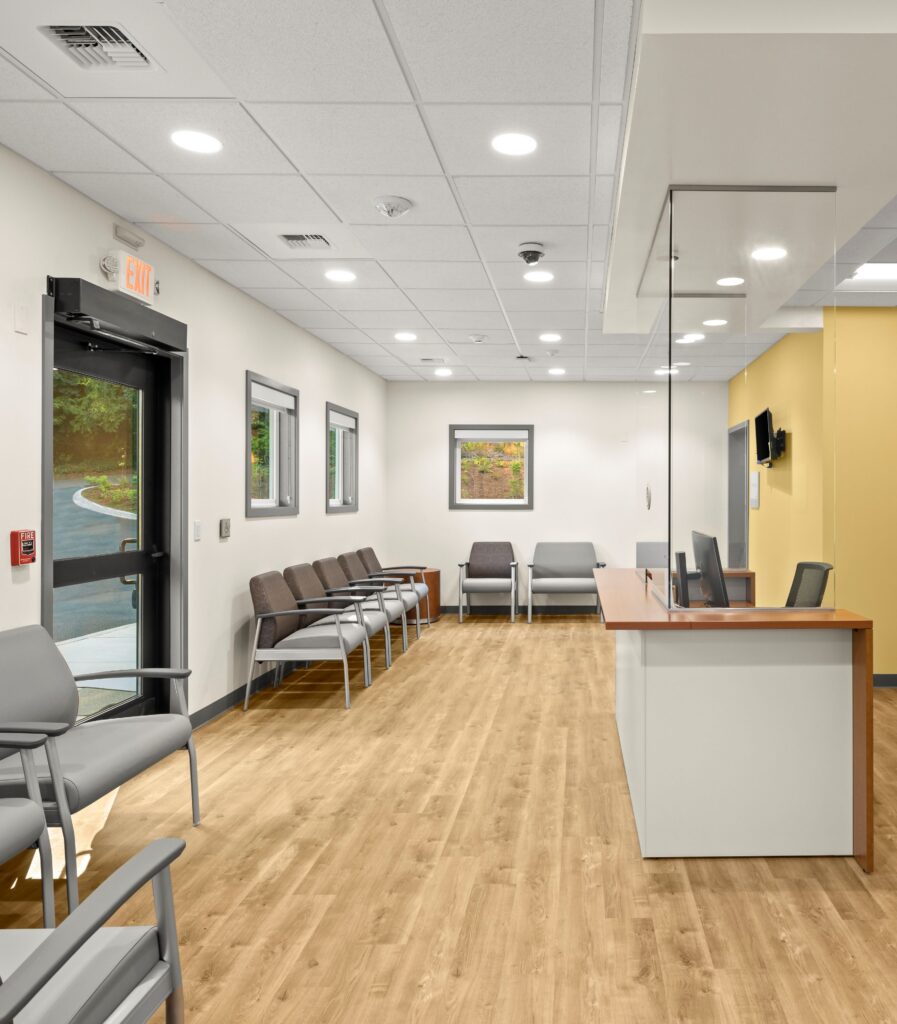
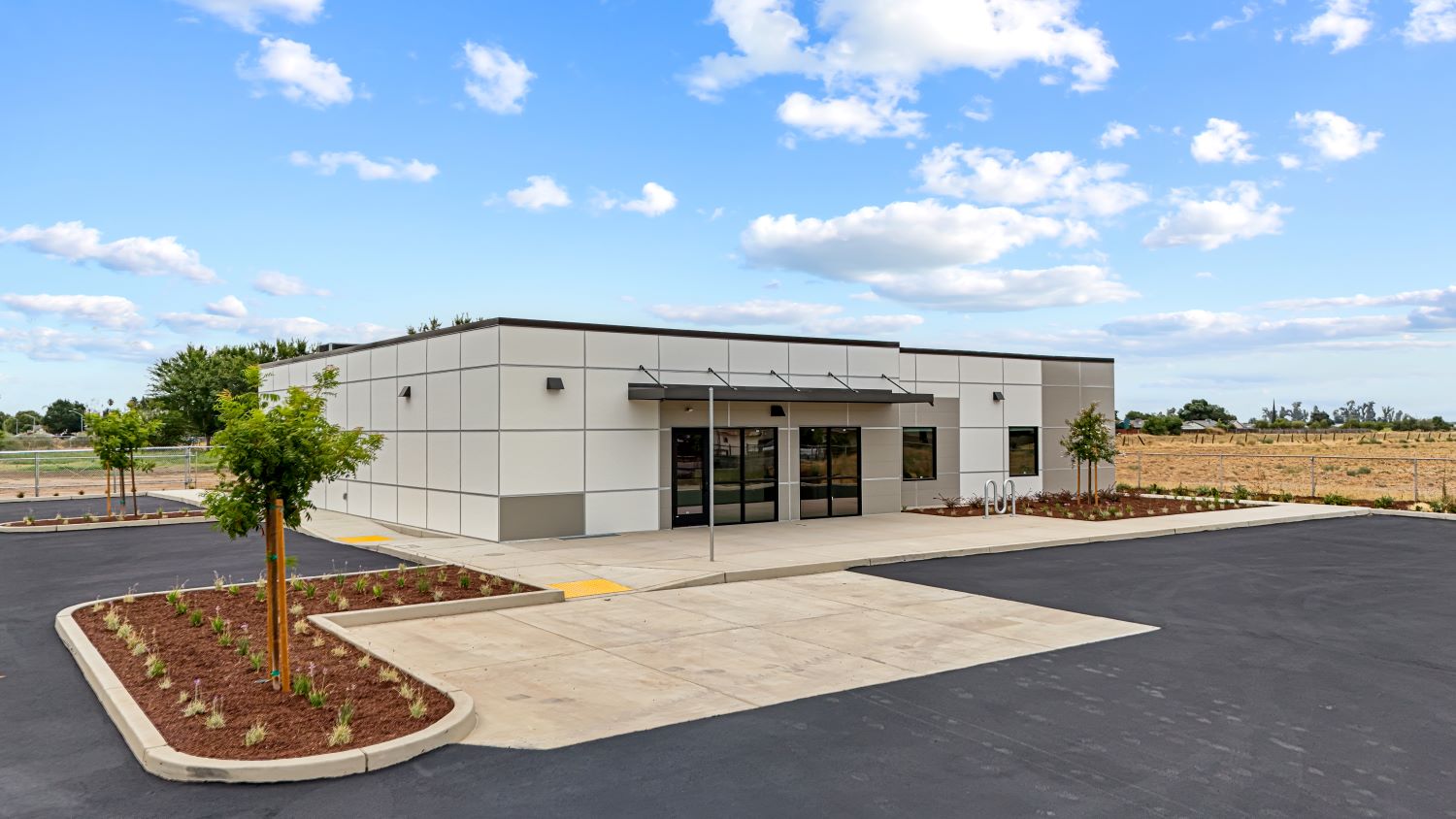
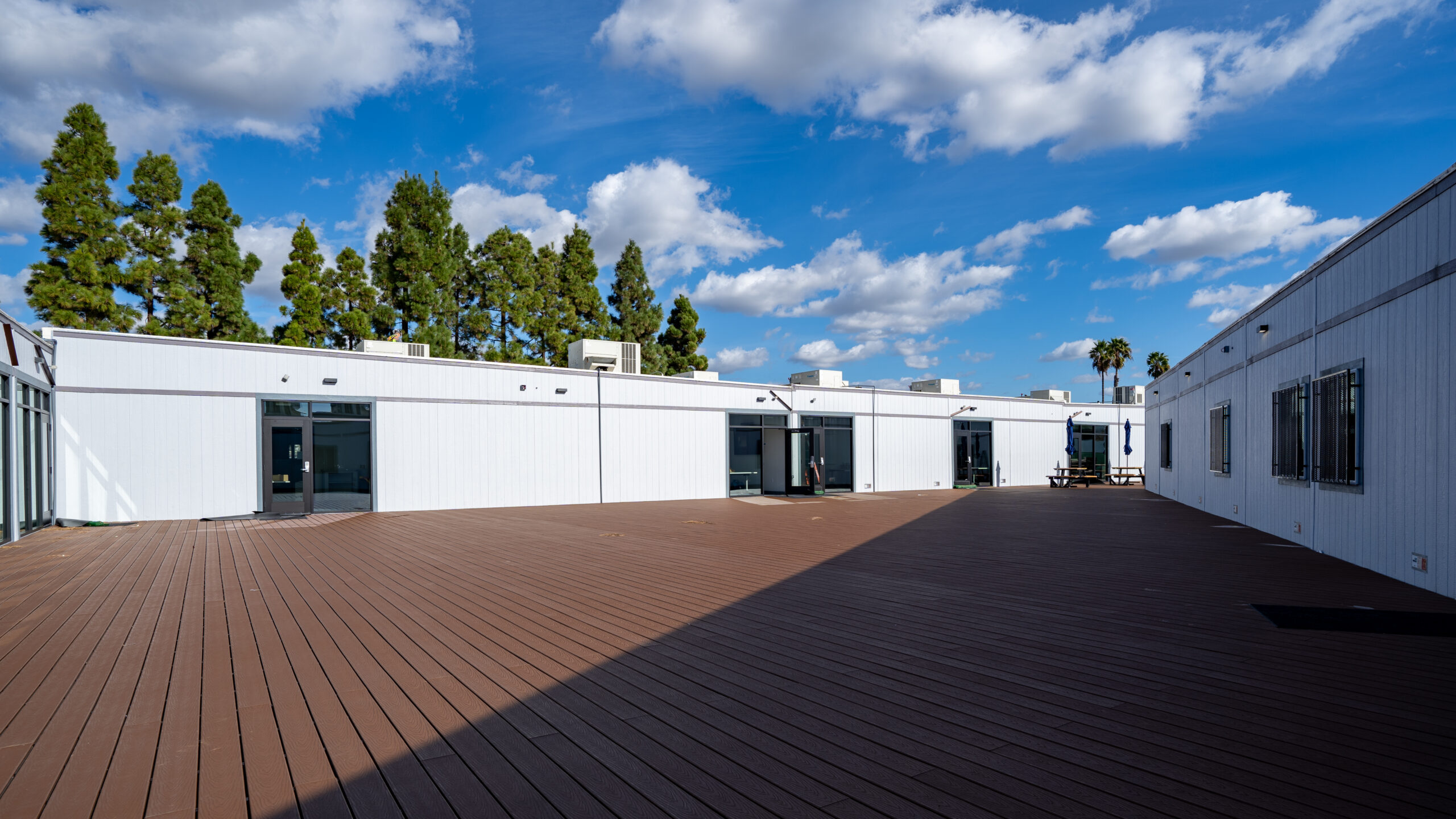
Modular construction offers Native American tribes a powerful, practical, and cost effective way to build critical infrastructure on their reservations. Because many tribal communities face unique challenges, traditional construction can be slow, difficult and expensive. Modular buildings, however, are manufactured off site in controlled environments and delivered nearly complete, dramatically reducing project timelines and logistical barriers that often delay reservation based construction. This allows tribes to move from concept to occupancy much faster, supporting urgent needs such as housing, healthcare, education, and administrative functions.
A key advantage is that modular projects often qualify for more government funding pathways than traditional construction. Federal programs including those through HUD, IHS, BIA, and various tribal grant initiatives, support modular solutions because they align with goals around sustainability, cost efficiency, and rapid deployment. Since modular buildings typically offer more predictable budgets and fewer cost overruns, they help tribes maximize the impact of available funds. The ability to combine multiple funding sources more cleanly also makes modular an appealing strategy for projects that must navigate complex tribal, federal, and sometimes state requirements.
Additionally, modular construction offers tribes substantial long term value. The controlled manufacturing process reduces waste, lowers labor costs, and minimizes costly weather delays. Additionally, modern modular buildings are built to high performance standards featuring durable materials, efficient HVAC systems, and environmentally responsible design. All of this translates into lower operating costs over time. These efficiencies are especially beneficial in remote reservation areas, where utilities may be limited or expensive and where resilience is a critical concern.
Perhaps most importantly, modular construction offers tribes unmatched flexibility. As population needs shift or tribal priorities evolve, modular buildings can be expanded, relocated, or repurposed without the heavy financial burden of traditional remodeling. This adaptability supports long term planning and sovereignty. Tribes can build quickly, adjust quickly, and retain full control over the development of their land. For tribal nations committed to strengthening infrastructure, expanding services, and supporting their communities, modular construction is not just a convenient solution – it’s a strategic investment in self determination and economic resilience.
Trust Pacific Mobile Strutures
Finding the right partner to design and build this new space is almost as important as the building itself. The project must blend the physical need being satisfied with the traditional and cultural priorities within the community.
Pacific Mobile Structures has a strong and growing track record of partnering with Native tribes and delivering quality buildings that last for generations. The process is end-to-end from helping navigate funding terms to installation and completion.