Modular Construction: The Way Forward in Healthcare
Healthcare systems today face a difficult balancing act: meeting rising patient demand with quality services at sustainable costs. Traditional construction methods often struggle to keep pace with urgent needs, especially during crises or periods of rapid growth. Modular construction is emerging as a powerful solution—offering healthcare providers a faster, more adaptable way to expand and evolve their facilities.
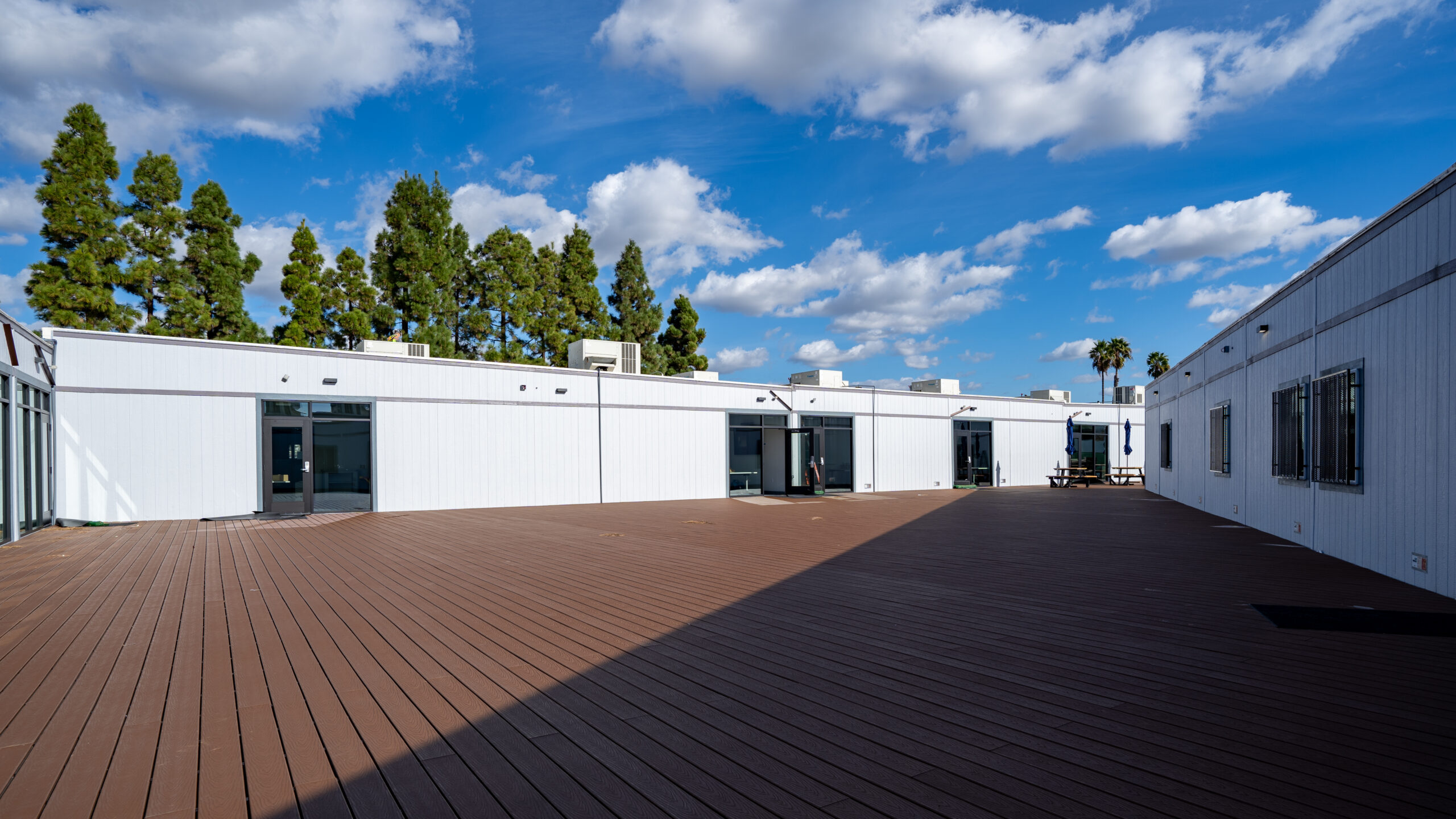
One of the most compelling advantages of modular construction in healthcare is its ability to deliver temporary facilities for emergency or specialty use. During events like pandemics, natural disasters, or seasonal patient surges, rapid availability is critical. Modular units are manufactured off-site and deployed quickly, allowing hospitals to add triage areas, isolation wards, testing centers, or specialty treatment spaces in a matter of weeks. These facilities are not makeshift; they are built to the same standards as permanent structures, ensuring patient safety and regulatory compliance. Once demand subsides, they can be relocated, repurposed, or stored for future use, providing long-term value beyond the immediate need.
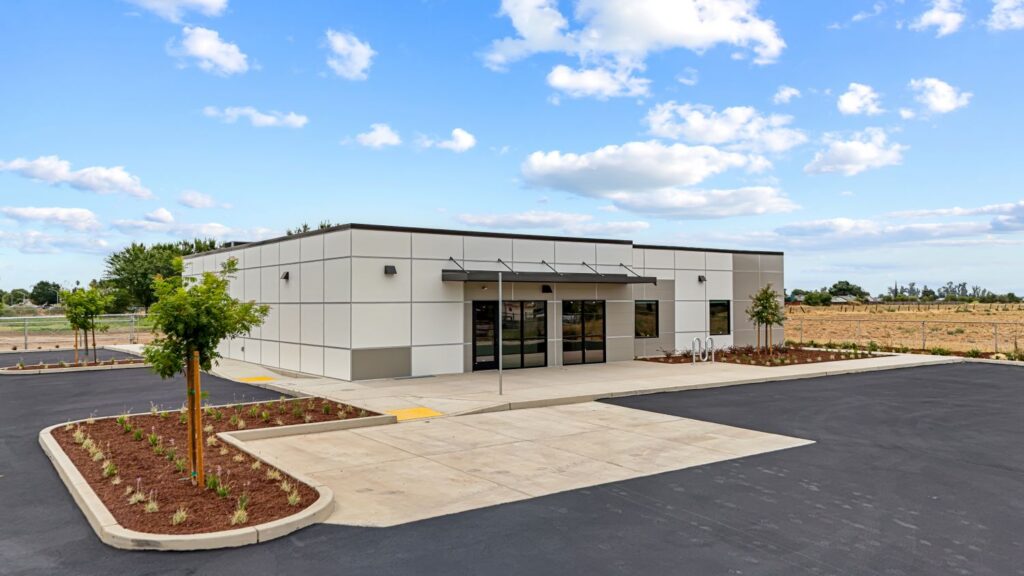
Beyond temporary solutions, permanent modular construction is an effective solution for hospital additions and for satellite offices or clinics. As healthcare systems expand into new markets or aim to improve access in underserved areas, modular buildings offer a streamlined path forward. Congested hospital campuses are added to with minimal disruption to existing operations. Rural construction is easier to organize and execute. The pains of construction are also minimized, an important factor for active healthcare campuses where noise, dust, and downtime must be limited.
Beyond temporary solutions, permanent modular construction is an effective solution for hospital additions and for satellite offices or clinics. As healthcare systems expand into new markets or aim to improve access in underserved areas, modular buildings offer a streamlined path forward. Congested hospital campuses are added to with minimal disruption to existing operations. Rural construction is easier to organize and execute. The pains of construction are also minimized, an important factor for active healthcare campuses where noise, dust, and downtime must be limited.
Perhaps the most transformative aspect of modular construction is its emphasis on flexible design. Healthcare needs are constantly evolving, and facilities must be able to adapt accordingly.
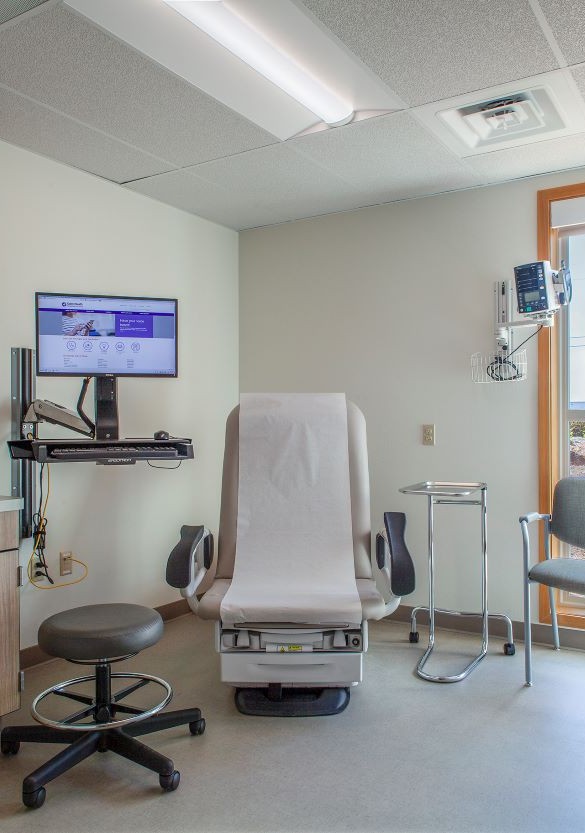
Modular buildings are inherently designed with flexibility in mind, allowing spaces to be reconfigured for multiple uses over time. A facility initially designed as a primary care clinic can later be adapted into a specialty treatment center, diagnostic lab, or administrative hub with relatively minor modifications. This adaptability helps healthcare organizations future-proof their investments and respond more effectively to shifting patient needs, technological advancements, and regulatory changes.
In addition to flexibility and speed, modular construction also supports improved cost predictability and quality control. Factory-based construction environments reduce weather delays, material waste, and variability, resulting in more consistent outcomes. For healthcare providers operating within tight budgets and timelines, this level of control is invaluable.
As the healthcare industry continues to evolve, the need for scalable, efficient, and adaptable infrastructure will only grow. Modular construction meets this demand head-on, offering solutions that are not only faster to deploy but also smarter in design. Whether used for emergency response, permanent expansion, or multi-purpose facilities, modular construction represents a forward-thinking approach that aligns with the future of healthcare delivery.