Turnkey Modular Solutions: Streamlining Construction Across North Carolina
Modular construction is rapidly reshaping the commercial development landscape in North Carolina, offering businesses faster project delivery, more predictable costs, and highly sustainable building methods. North Carolina is experiencing a 7% population rise overall and trends of hundreds moving to its major cities each day.
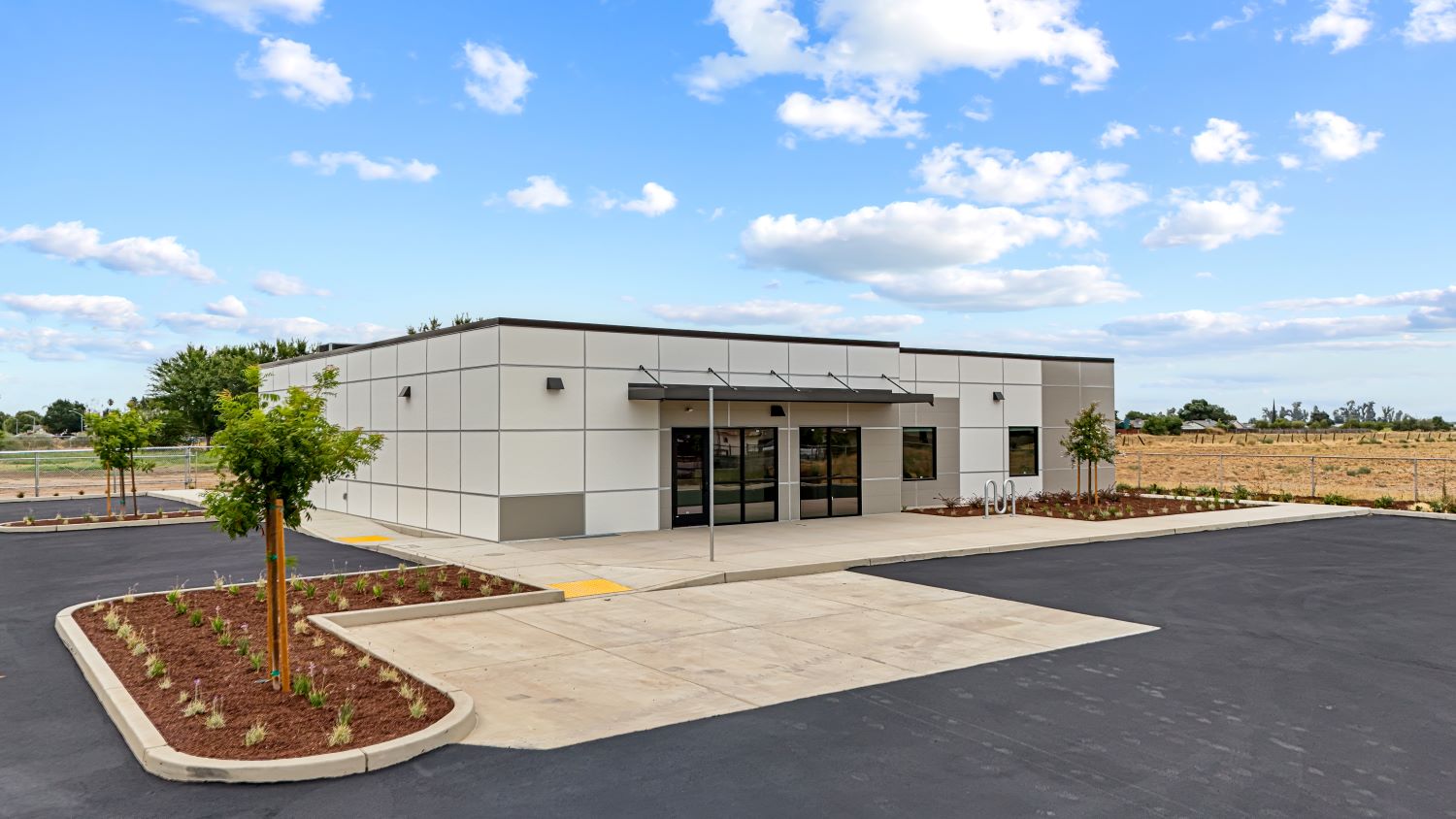
Modular construction has become a powerful answer to North Carolina’s ongoing infrastructure needs, tight construction timelines, and rising development costs. North Carolina’s builders are turning to this method because it enables buildings to be completed 30–50% faster, cuts material waste in half, and supports higher precision and quality control compared to traditional construction.
Modular methods are also helping the residential market, but this article will focus on commercial applications.
Industry Applications of Modular Construction in North Carolina
Commercial Offices & Retail
- Modular construction allows factory fabrication and site work to happen simultaneously, enabling businesses to occupy their spaces sooner. Modular is great for retail hubs and mixed use communities, especially in fast‑growing markets like Asheville and Charlotte.
Healthcare Facilities
- Healthcare needs are increasing in both urban and rural environments and modular buildings are great solutions for both. Whether the project is adding onto an existing hotel with limited space to work, or is a fresh new clinic in a small town – the flexibility of modular buildings is a big asset.
Education Buildings & Training Centers
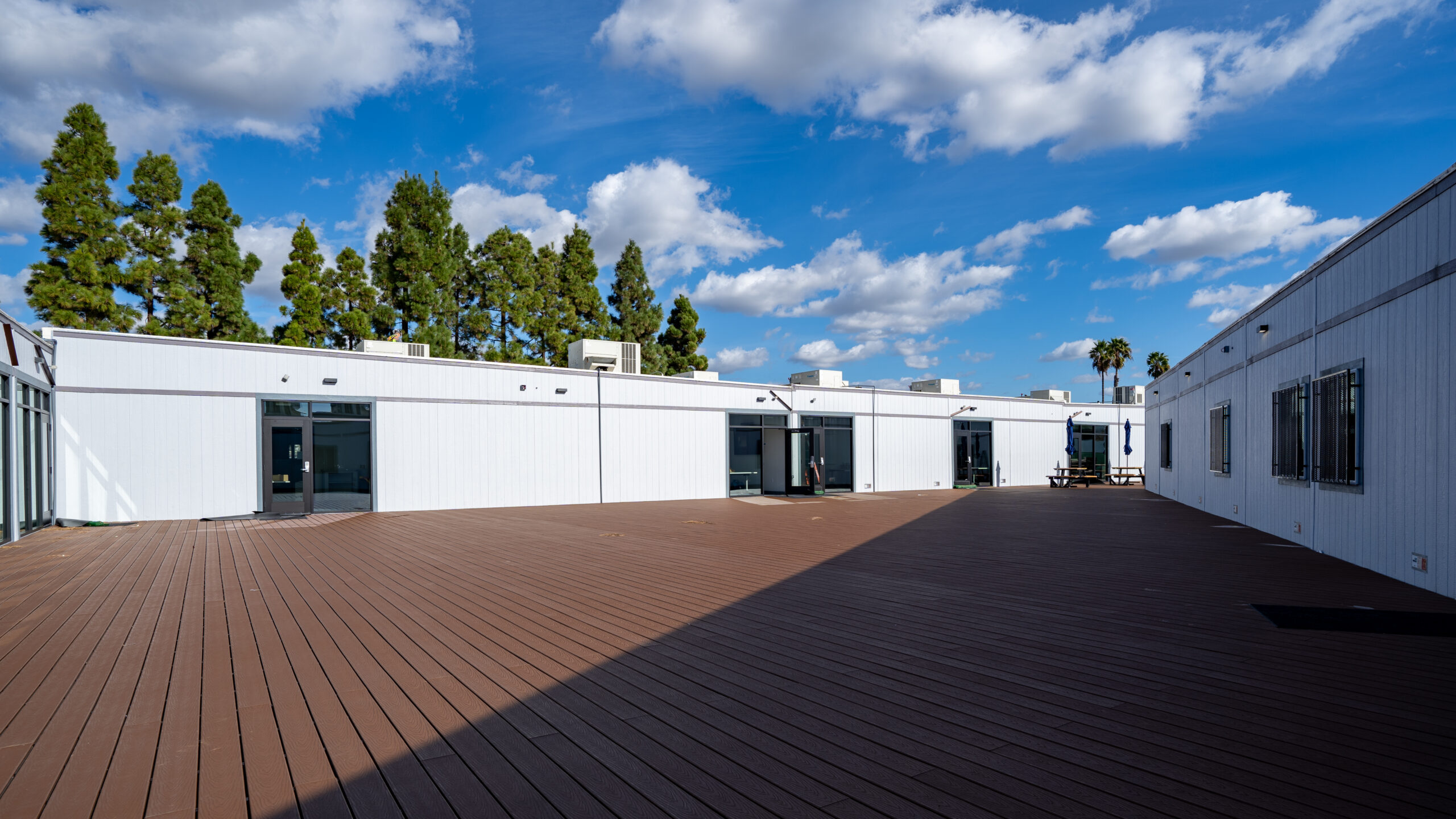
- Schools have turned to modular classroom trailers for years as the solution to enrollment and spatial issues. Other businesses have begun to adopt this method with great success. Modular for education does not just mean trailers these days, as beautiful custom buildings can be designed and built as permanent additions to any school or campus.
Multifamily & Workforce Housing
- Modular multifamily construction in North Carolina provides greater predictability, reduced weather delays, and faster occupancy timelines. Projects in Charlotte and Wilmington demonstrate how modular buildings can deliver hundreds of units efficiently and with consistent quality. Additionally, modular units are great for workforce housing during industrial operations, disaster relief efforts, and more.
Industrial & Biotech Facilities
- Industrial giants are moving to the Carolinas and are turning to modular solutions for offices, labs, and support buildings that can scale quickly alongside production needs. Modular construction can be used for large-scale facilities or smaller support structures housing specific needs.
Why Modular Fits in NC
North Carolina’s geographic and economic conditions make it particularly well‑suited for modular construction. The state faces significant workforce shortages – with roughly 80% of contractors reporting difficulty finding skilled labor – making factory‑based production an efficient alternative that reduces reliance on on‑site crews. Furthermore, the state’s rapid population growth, especially around the Research Triangle, Charlotte metro, and Johnston County, demands faster delivery of commercial buildings to support rapidly increasing needs.
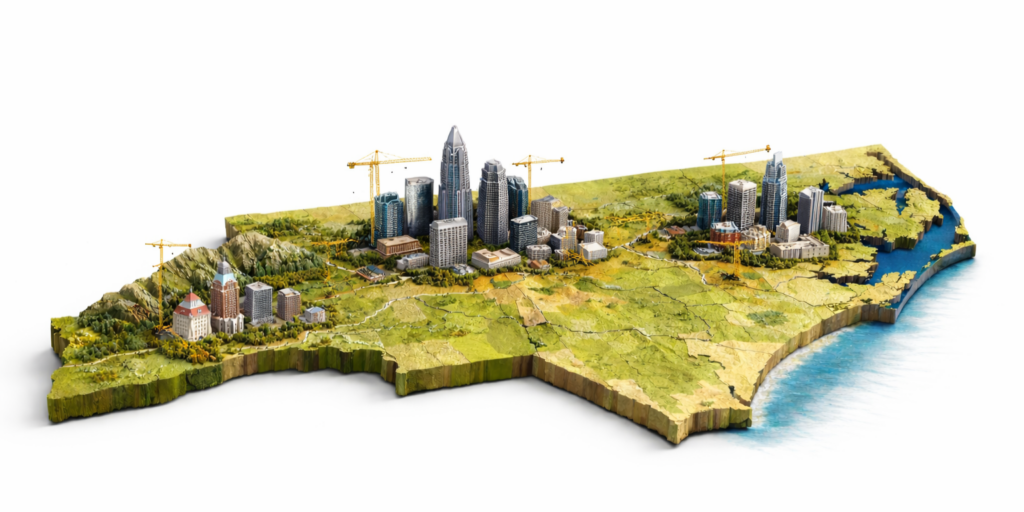
Geographically, there is a lot of diversity in North Carolina which poses a variety of construction challenges. Modular structures are highly adaptable and can function equally well in mountainous areas as well as the low country or the Piedmont in between.
Additionally, North Carolina’s regulatory environment supports modular construction through state‑certified inspection processes that occur earlier in the factory. This combination of climate resilience, economic expansion, supportive regulations, and logistical efficiency has established modular construction as one of the most impactful building methods in North Carolina’s commercial sector today.