
Five Ways Modular Construction Solves Government Building Problems
Government use cases for Modular Structures are plenty, but we’ll focus on five main applications and examine the benefits for each.
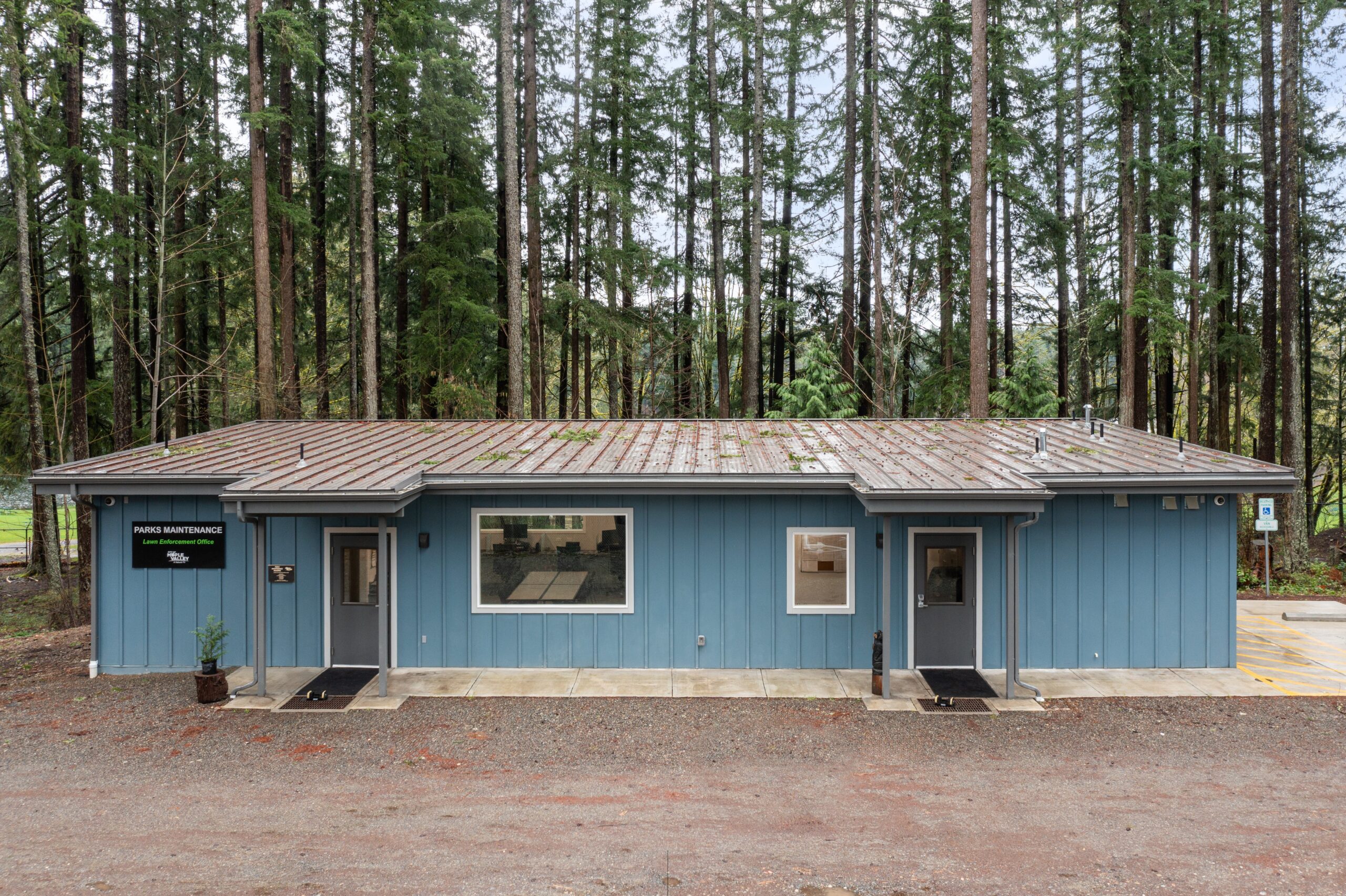
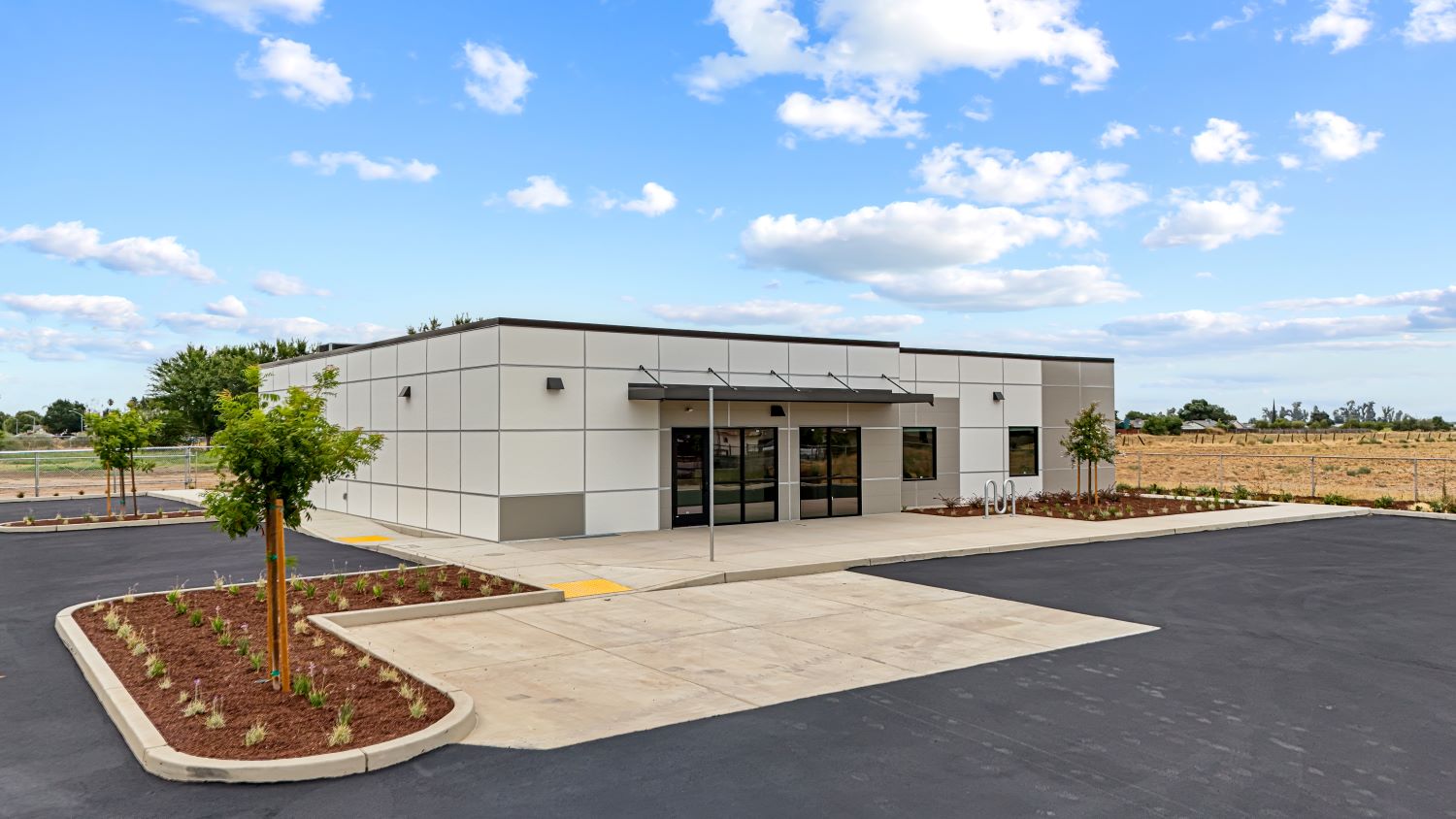
1. Modular is the most cost-effective way to build administration and office space.
Modular projects compress schedules by building off‑site, frequently cutting delivery time by 30–50%. Everything arrives ready to assemble which greatly reduces project timelines. Shorter timelines mean less waste. Less waste means less money. Industry analysis shows modular delivers greater cost predictability and efficiency making it the best solution for pre-approval.
For public agencies specifically, modular offers procurement flexibility (purchase or lease), scalable footprints, and proven use cases for admin complexes. Very helpful as governments look to right‑size real estate portfolios in a post‑telework era. Federal oversight reports show large amounts of underutilized office, making faster, smaller modular deployments an attractive way to align space with demand.
2. The future of public health is being built with modular technology.
The public health sector has learned the hard way in recent years about the importance of flexibility and efficiency. Medical needs can change quickly and services are needed in places where sufficient infrastructure is not at all in place. Whether the focus is rapid response or finding a long-term solution, modular construction is the best method of solution.
Modular structures can serve public health efforts in several ways. Office and classroom trailers can be quickly converted into clinics, triage units, or ambulatory centers. In situations where more planning is available, custom modular buildings can be designed to fit any medical need from dentistry to emergency services.
3. Modular construction is perfectly suited for emergency response efforts.
In disasters, speed and scalability matter most. The modular industry can deliver large volumes of space quickly with code‑compliant, utility‑ready buildings. Perfect for command posts, clinics, and temporary housing, modular structures are operational in days to weeks, not months. These units are relocatable, reusable, and can be leased or purchased – giving tremendous freedom to the organizations that need them.
Federal and international case work backs this up: FEMA relies on transportable units for temporary housing, and post‑disaster rebuilds have used modular methods to stand up dignified, durable shelter and community facilities far faster than conventional builds. Modular construction allows relief organizations to have whatever is necessary at a moment’s notice.
4. Public Works projects depend on quality modular offices.
As one of the first adopters of modular utilization, construction teams continue to rely on these spaces for success. Having a reliable office on-site is paramount to keep operations on track. Now, these units can also be used for staging, meeting space, and for comforts like restrooms and break areas. Public Works often involve several teams working together to complete the project, and modular structures are the way to provide that space while staying on budget.
5. Modular makes remote or in-field work easier.
Field research programs (environmental monitoring, hydrology, conservation, etc.) need move‑in‑ready workspace that can be placed at or near study sites, then relocated as projects evolve. Modular field labs and mobile mesocosm/monitoring platforms demonstrate how researchers bring the lab to the field – cutting travel and allowing more work to be done each day. Projects move smoother with modular structures involved.
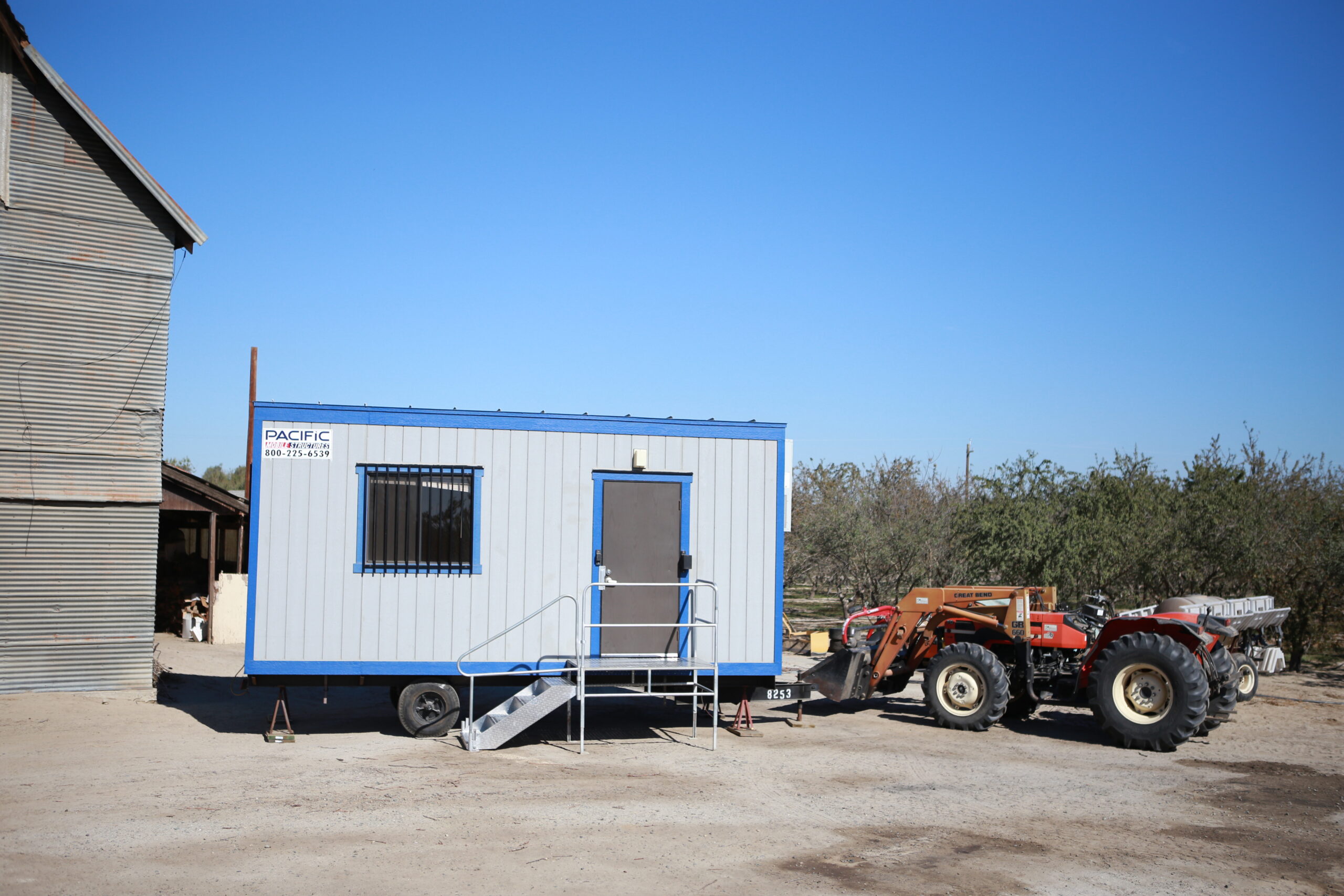
Likewise, temporary security checkpoints and guard booths are classic modular applications: pre‑engineered, climate‑controlled, often ballistic‑rated units that ship assembled for fast setup. They also offer the ability to be repositioned as site perimeters or needs change. These structures serve as credentialing and access‑control nodes at government facilities, ports, and infrastructure sites, and can be outfitted with surveillance, gate arms, and communications to meet CTPAT or similar standards.